


Dentists provide professional teeth cleanings, and these visits are a fundamental part of maintaining oral health. They can reduce the risk of dental concerns, including gum disease and cavities. Professional cleanings remove built-up plaque and tartar, which helps keep the teeth and gums in good condition. Here’s information about the cleaning process, how plaque and tartar develop, and how regular cleanings protect your oral health:
Understanding Teeth Cleaning Basics
Teeth cleaning includes both daily home habits and scheduled visits with a dental professional. At home, brushing and flossing work to clear away food particles and soft deposits throughout the day. During a professional cleaning, a dental hygienist or dentist uses specialized tools to remove the buildup that a toothbrush cannot reach. They also polish each tooth surface. Both methods serve a similar purpose: keeping the mouth clear of the material that gathers along the gumline and between teeth. Home care handles daily maintenance, while professional cleanings address what builds up over time; together, they form a complete, practical cleaning routine.
Recognizing How Plaque Develops
Plaque is a soft, sticky film that forms on teeth as bacteria in the mouth interact with food particles and sugars. When plaque stays on the teeth long enough, it hardens into tartar. This rough deposit adheres firmly to the tooth surface and along the gumline. Tartar requires professional tools to remove; brushing and flossing alone will not clear it away.
The progression from plaque to tartar is why consistent cleaning is fundamental. Removing plaque before it hardens limits tartar buildup, and this is a key step in maintaining clean teeth and gums. The longer plaque stays in place, the more difficult it becomes to manage through home care alone.
Protecting the Gums and Teeth
Plaque and tartar can accumulate along the gumline, which contributes to gum irritation and disease. Cavities develop when plaque bacteria produce acids that erode tooth enamel. Gum disease and cavities can lead to the following concerns:
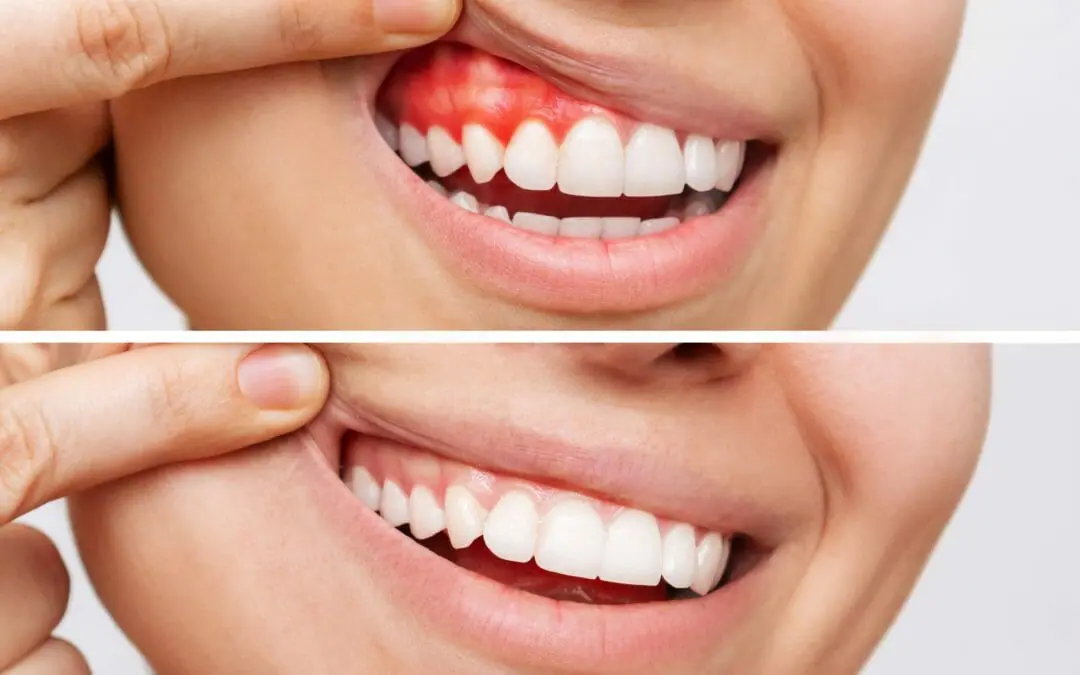
- Gum inflammation: Redness, swelling, tenderness, or bleeding around the gums.
- Tooth sensitivity: Increased sensitivity to hot, cold, sweet, or acidic foods and drinks.
- Tooth decay: Damage to the enamel that can progress into deeper layers of the tooth.
- Gum recession: Gums sometimes pull away from the teeth, exposing sensitive tooth surfaces.
- Tooth loss: Advanced gum disease or untreated decay can eventually compromise the stability of a tooth.
- Pain or infection: Untreated decay or gum disease sometimes causes persistent discomfort, requiring more extensive dental treatment.
Regular teeth cleaning includes brushing, flossing, and attending dental appointments; these actions can help control plaque and tartar, reducing the risk of gum disease and cavities.
Attend Teeth Cleaning Appointments
Teeth cleaning is an ongoing practice that addresses two fundamental concerns: gum disease and cavities. By removing plaque before it becomes tartar, and by combining daily home care with professional cleanings, you address the key factors that allow these conditions to develop. Neither method alone provides complete coverage, but together they form a reliable routine. Your dental professional can help you determine a cleaning schedule that fits your specific situation. Schedule your next cleaning appointment to help keep your teeth and gums healthy.
