


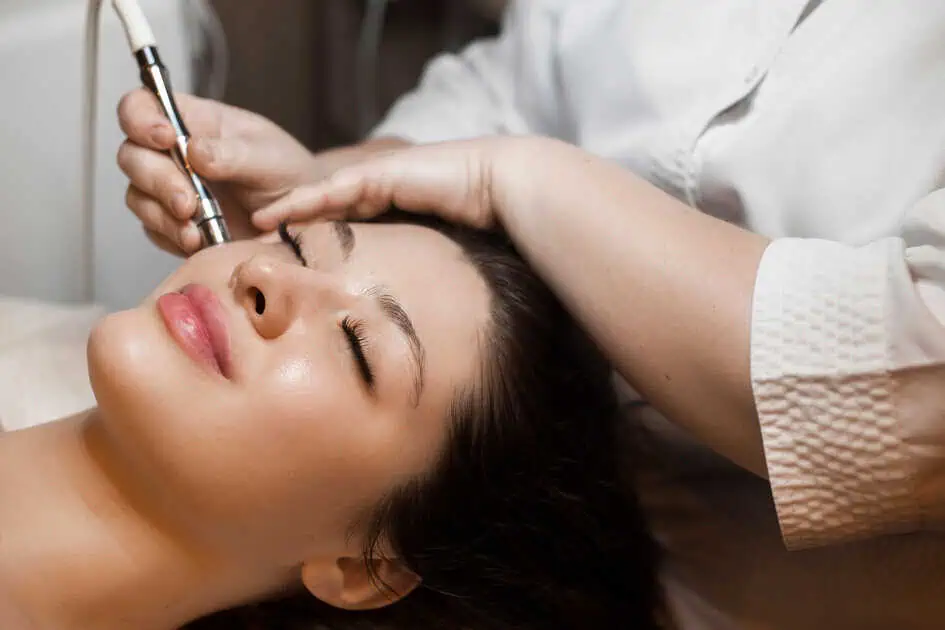
Microneedling, also called collagen induction therapy, uses fine sterile needles to treat the surface of your skin. The method has existed for several decades, and dermatologists continue to study its effects on skin repair. When a provider glides the device across your face, the needles create thousands of tiny punctures. This guide explains the biology behind each stage of the treatment.
Using Controlled Micro-injuries
Since needle lengths range in size, providers adjust the depth for each facial area. Thin skin around the eyes typically needs shorter needles. Thicker areas like the cheeks tolerate deeper settings, so providers often increase the length there. Your provider reviews your skin type and goals before choosing a setting.
Each puncture stays very small, but it still reaches below the outermost layer of skin. While the channels close within a few hours, they signal damage to the surrounding cells. Your body treats these punctures as minor wounds. The surface of your skin stays largely intact during this process.
Most providers apply a topical numbing cream before microneedling treatment begins. While the device moves across your skin, you may feel light pressure or a mild scratching sensation. Sessions typically last under an hour, and many clients resume light daily tasks afterward. Some redness and mild swelling typically fade within a few days.
Stimulating Natural Healing Process
Your skin heals in overlapping stages, and each stage serves a distinct purpose. Researchers generally describe three main phases of wound healing. As these phases unfold, fibroblast cells increase their production of collagen and elastin. These proteins give your skin its structure, firmness, and stretch.
- Inflammation: Blood flow rises, and immune cells clear debris from each tiny channel.
- Proliferation: Fibroblasts produce fresh collagen, and small new blood vessels form.
- Remodeling: Your body reorganizes collagen fibers into a firmer, more orderly network.
Combining With Radiofrequency
When providers pair microneedling with radiofrequency, insulated needles deliver heat energy into deeper skin layers. The needles create the channels, and the radiofrequency energy warms the tissue around them. This heat adds a second trigger for collagen production. Providers call this combination RF microneedling. RF microneedling may suit clients with deeper wrinkles, loose skin, or acne scars.
Promoting Younger-looking Skin
As new collagen builds over time, skin texture and firmness may gradually change. Results vary from person to person. Microneedling may address several common concerns, but outcomes depend on your skin and your aftercare habits.
- Fine lines around the eyes and mouth
- Shallow and rolling acne scars
- Enlarged pores on the nose and cheeks
- Rough or uneven skin texture
- Mild sun damage and discoloration
Microneedling is a versatile treatment that works by encouraging your skin’s natural healing process to promote a smoother, more youthful appearance. It’s a simple, minimally invasive procedure that creates tiny, controlled micro-injuries to the skin, stimulating collagen production. While many clients start noticing improvements after just one session, consistent aftercare and multiple treatments are often needed to achieve optimal, longer-lasting results tailored to individual skin concerns.
Schedule Microneedling Sessions Today
A consultation gives you time to ask questions, and your provider will review your skin history. If you take certain medications or have active breakouts, your provider may suggest waiting. Once your session ends, you will receive clear aftercare instructions for cleansing and sun protection. Contact our team to book a consultation at a convenient time.
