


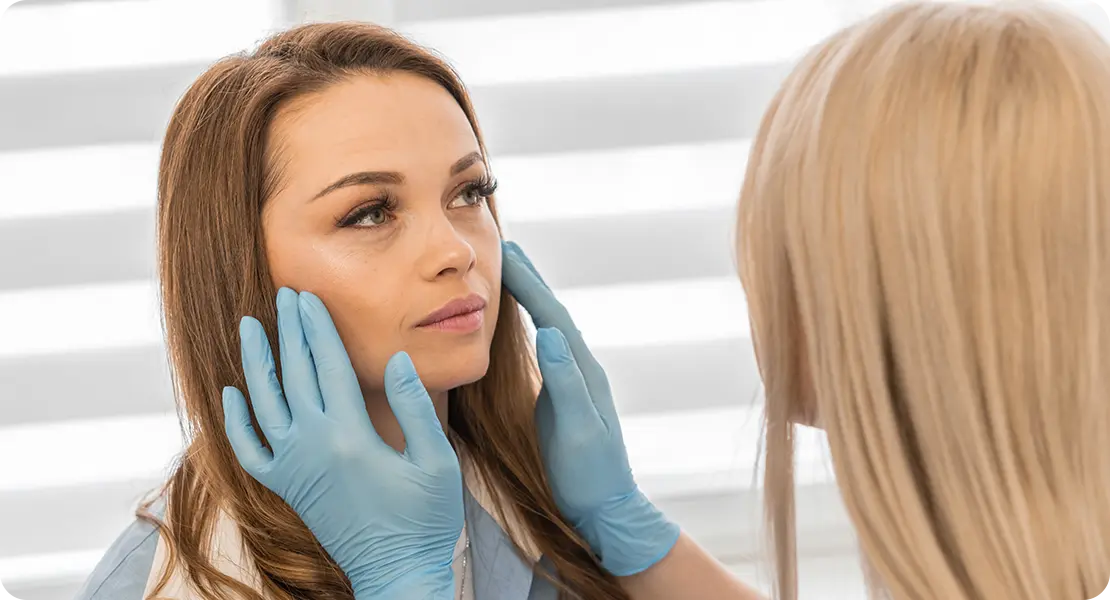
Aesthetic services support targeted changes to facial features and skin quality while working within medical guidelines, and patients may look for options that align with their appearance goals and daily schedules. A structured approach helps you select methods that suit your needs. When you match expectations with realistic outcomes, you gain a clearer roadmap for treatment planning.
Define Aesthetic Goals
Clear goals guide every stage of treatment, and they help your provider match services to your needs. You may focus on softening lines, refining facial contours, or improving overall skin texture. When you describe what you want in precise terms, your provider gains a stronger understanding of your priorities, and you receive more focused recommendations. A written list of goals also supports long-term planning.
Evaluate Services
Before scheduling aesthetic services, review how each option aligns with your skin type, medical history, and comfort level. Some treatments involve brief appointments and minimal downtime, and others require more structured aftercare. When you ask about expected changes, maintenance needs, and safety measures, you gain a clearer picture of how each service fits into your routine, and you reduce the chance of mismatched expectations. Take these steps:
- Discuss treatment goals in detail, and ask how each option addresses specific concerns.
- Request information on potential side effects, and clarify how they are monitored.
- Ask about approximate longevity of results, and learn what follow-up visits involve.
- Review pre-visit and post-visit instructions, and confirm they fit your schedule.
- Check that the setting follows medical standards, and verify that questions receive direct answers.
Include Injectables
Botox remains a frequent entry point for patients exploring injectables, and it targets dynamic facial lines. The product works on muscle activity beneath the skin, so it addresses wrinkles that deepen with expression. When injected by a trained professional, Botox allows for tailored dosing and placement, and it supports natural facial movement.
The appointment process for Botox follows a structured pattern. It begins with a consultation. During this visit, the provider reviews your medical history, examines facial movement, and identifies muscle groups that influence lines. Results develop gradually over several days, and follow-up visits help refine dose and placement for future sessions.
Patients may pair Botox with other non-surgical options, and this layered approach addresses multiple concerns at once. Botox focuses on muscle-driven lines, but surface treatments still play a role in managing texture and tone. When you track how your skin responds over time, you and your provider adjust intervals and dosing to match ongoing changes.
Identifying Areas of Concern
A structured assessment of facial features helps narrow down which treatments support your goals. Start by noting where lines, uneven tone, or texture changes appear, and describe how long they have been present. When you arrive with clear observations, the discussion moves quickly toward targeted options and realistic timelines.
Providers typically approach assessment in stages, and they look at both rest and expression. They evaluate symmetry, muscle activity, and skin condition, and they relate these findings to your stated goals. This method supports a measured approach to treatment planning because each concern links to a specific strategy. When both parties share the same priorities, treatment sessions follow a logical sequence instead of isolated, one-time choices.
Schedule Aesthetic Services Near You
Patients who prefer a medically supervised setting often look for clinics that blend internal medicine and aesthetics. When you schedule aesthetic services, bring a clear list of goals, medical information, and questions about injectables such as Botox. With this preparation, you work with your provider to build a treatment plan that aligns with your appearance priorities and overall health needs.
