


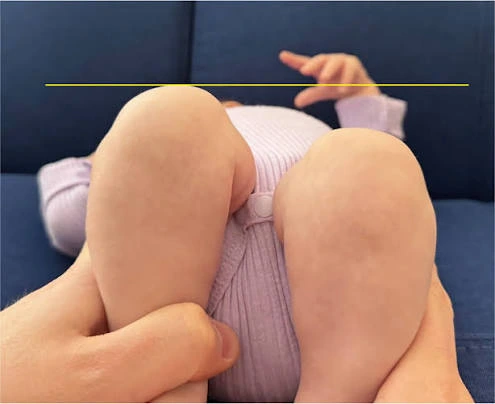
Hip dysplasia affects how the ball and socket of the hip joint fit together, influencing a child’s early movement patterns. When the joint alignment is loose or shallow, everyday movements like rolling, crawling, or taking first steps place extra stress on surrounding tissues. Pediatric orthopedic care focuses on evaluating joint structure and monitoring growth to support families through treatment decisions that enable long-term mobility and function. Here’s more information on the impact of hip dysplasia on child development and mobility:
Causing Hip Pain
In hip dysplasia, the hip socket is too shallow, or the ball of the thighbone sits outside its ideal position. This mismatch puts uneven pressure on cartilage, ligaments, and nearby muscles; the joint may become unstable, causing discomfort during movement or weight-bearing. Some babies express this through fussiness when their legs are moved, while older children describe aching or stiffness. Dysplasia causes pain because the body works harder to keep the joint aligned, and that extra effort strains soft tissues that aren’t designed to handle such a load.
Interfering With Joint Movement
When the hip joint does not sit securely, a child’s range of motion usually changes. Caregivers sometimes notice that one leg doesn’t open as widely as the other during diaper changes, or that a baby resists certain positions. This difference in flexibility reflects how the ball tracks inside the socket. The joint may move less smoothly, which affects how muscles coordinate around the pelvis, thighs, and lower back. As a result, early motor milestones, such as rolling and crawling, may follow an uneven pattern. As children grow, hip dysplasia can affect their gait, balance, and endurance.
When managing this condition, some children walk with a limp, toe-walk on one side, or shift their weight away from the affected hip. Others tire quickly during playground activities or sports that involve running and jumping. These movement patterns are the body’s way of protecting the joint from strain. Compensations in the hips, knees, and spine often lead to new areas of discomfort or stiffness over time. Early orthopedic assessment helps identify these changes and guides strategies that support safer, more efficient movement.
Wrinkling Skin Around the Hip
Uneven skin folds around the thighs or buttocks sometimes appear when hip dysplasia alters a child’s leg position. If one hip sits differently in the socket, the thigh on that side may appear rotated or slightly shorter. This change shifts how soft tissue lies over the bone, which leads to extra creases or asymmetrical wrinkling in the skin. Some signs parents often notice include:
- Uneven Diaper Lines
- Uneven Leg Folds
- Uneven Buttock Creases
While skin wrinkling alone doesn’t confirm a diagnosis, it is a visual cue that a child’s underlying hip alignment may need medical evaluation.
Diagnose Your Child’s Hip Dysplasia
A pediatric provider evaluates hip stability through a physical exam, reviews developmental milestones, and, when indicated, orders imaging to study joint shape. Early diagnosis supports better planning for a child’s growth and mobility. Families who observe uneven leg movement, limping, or asymmetrical skin folds should discuss these findings at a pediatric orthopedics visit. Pediatric orthopedic specialists focus on musculoskeletal issues in growing children, including conditions that affect hip development. Working closely with a knowledgeable team helps parents make informed choices that support their child’s long-term joint health.
