


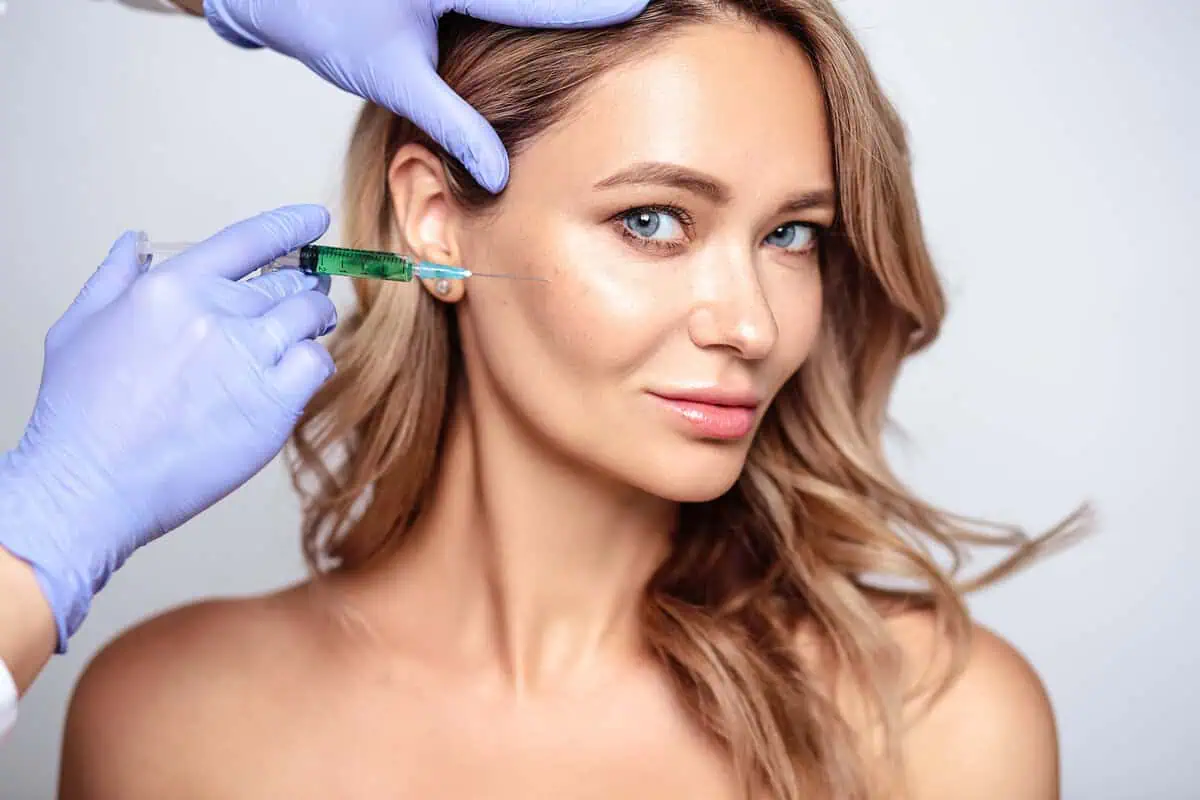
Botox injections use a purified neurotoxin to relax targeted muscles and soften lines caused by repeated movement. This aesthetic treatment supports the patient’s natural facial features, and it avoids significantly altering overall appearance. Although sun exposure contributes to visible skin changes, Botox can reduce expression lines while preserving natural facial structure. Here’s more information about this treatment and how it helps enhance natural features:
Aligning Botox Treatment Goals
Professional Botox treatment begins with a clear understanding of facial anatomy and movement patterns. A provider may evaluate how an individual smiles and raises their eyebrows, and this assessment guides each injection point. Botox works by blocking nerve signals that trigger muscle contractions, temporarily reducing activity in the targeted muscles. It addresses areas near the eyes, mouth, nose, and chin. The treatment targets specific muscles while allowing nearby ones to continue functioning normally. When the plan accounts for natural expressions, the face can still move, and primary features stay recognizable.
Targeting Key Facial Areas
Strategic Botox placement supports balance across facial regions and helps existing features stand out. Treatments often target muscles that fold the skin into lines, while leaving lifting muscles active so the face retains structure. A carefully planned treatment may provide the following benefits:
- Forehead lines: Reduces horizontal forehead lines while maintaining natural brow positioning.
- Frown lines: Softens lines between the eyebrows and creates a more relaxed appearance around the eyes.
- Crow’s feet: Reduces lines around the eyes while preserving natural smiling expressions.
- Lip lines: Relaxes selected muscles around the lips to reduce vertical lines while maintaining lip shape.
- Jawline definition: Adjusts muscle activity near the jaw angle to create a more tapered lower facial appearance in some patients.
Supporting Facial Features
Botox treatment can also be incorporated into a broader cosmetic care plan that addresses individual aesthetic concerns. Providers evaluate factors such as treatment history, skin quality, and the patient’s desired level of correction when developing recommendations. Because each treatment area has different functional requirements, appropriate dosing and injection techniques are key for achieving consistent results. Patients should discuss potential side effects and treatment limitations, and they should review expected outcomes during their consultation.
Treatment results are temporary, so maintenance appointments may be scheduled based on individual needs and provider recommendations. Patients sometimes require different treatment intervals depending on how their bodies respond. A qualified provider can also monitor changes between appointments, which allows them to recommend adjustments when appropriate. This ongoing evaluation helps make sure future treatments remain consistent with the patient’s cosmetic goals.
Maintain Subtle, Long-Term Results
Ongoing treatment plans can help maintain Botox results while keeping expressions flexible and natural. Follow-up visits allow the provider to see how muscles adapt over time, and this feedback guides minor adjustments in dose or placement. Some sessions focus on maintaining earlier work, while others introduce small refinements in new areas as needs evolve. With this approach, Botox supports the face’s existing structure and movement, so features remain familiar while lines stay more controlled. Find an experienced provider today to learn more about this treatment and schedule a consultation.
