


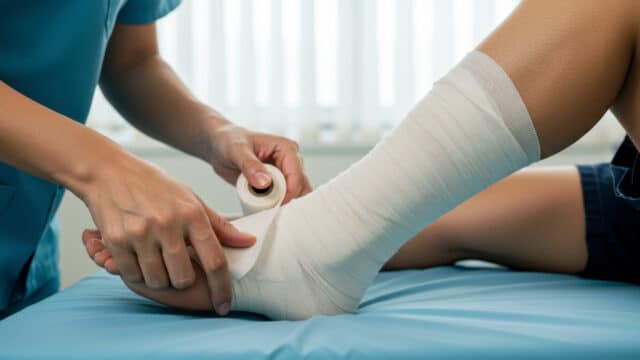
Managing foot wounds involves regular monitoring, proper cleaning, pressure relief, and early identification of infection symptoms. Although minor injuries may appear harmless, individuals with diabetes face increased complications because nerve damage and poor circulation interfere with healing. Consistent wound care, blood sugar management, and timely medical evaluation help reduce infection risks and support the healing process. Here is more information about tips for managing foot wounds:
Monitoring Wounds Daily
Daily foot inspections help identify potential wound complications before they progress into more serious conditions. Patients should examine their soles, heels, and spaces between toes, using a mirror or caregiver assistance when necessary. Common warning signs include redness, swelling, drainage, and changes in skin color or temperature. Because diabetic neuropathy reduces sensation, wounds may worsen without causing noticeable pain or discomfort. Regular visual monitoring helps identify changes that warrant medical evaluation and supports ongoing foot wound management.
Cleaning Wounds Properly
Proper wound cleaning helps remove debris and reduce the risk of infection while protecting surrounding healthy tissue. Patients should gently rinse wounds with clean water or saline solution, avoiding hydrogen peroxide, alcohol, and harsh soaps. Because friction may irritate damaged skin, gently patting the surrounding area dry is preferable to rubbing.
After cleaning, patients should apply an appropriate dressing based on the wound’s condition and healthcare provider recommendations. Although some wounds benefit from moisture-retentive dressings, others require specialized coverings to manage drainage or protect damaged tissue. Wound care providers may also recommend medications, specialized dressings, or grafting procedures depending on wound depth and healing progress.
Reducing Pressure on Wounds
Reducing Pressure on Wounds
Reducing pressure on foot wounds helps protect damaged tissue and supports the healing process. Because walking places repeated stress on the soles, healthcare providers may recommend offloading devices to redistribute weight away from affected areas. Common pressure-reduction strategies include:
- Wearing specialized boots: Redistributing body weight to reduce pressure on existing wounds
- Using supportive braces: Providing additional stability while limiting stress on affected areas
- Applying custom orthotics: Redistributing pressure across the foot based on individual needs
- Choosing properly fitted shoes: Selecting footwear with wide toe boxes and minimal interior seams
- Replacing worn footwear: Removing shoes with uneven wear or damaged support structures
- Avoiding barefoot walking: Protecting the feet from friction, pressure, and accidental injuries
Although pressure-reduction needs vary, following a provider’s offloading and footwear recommendations helps protect wounds during recovery.
Managing Blood Sugar Levels
Maintaining stable blood sugar levels supports wound healing by promoting circulation, immune function, and tissue repair. Elevated glucose levels may weaken the body’s ability to fight infections and damage blood vessels, reducing oxygen delivery to affected tissues. Because diabetes affects the healing process, patients benefit from working with healthcare providers to monitor glucose levels and manage their condition. Following prescribed medications, maintaining balanced eating habits, and regularly checking blood sugar levels all support diabetes management. Consistent blood sugar control, combined with appropriate wound care, helps reduce complications and support tissue healing.
Recognizing Infection Warning Signs
Foot wound infections may progress rapidly in individuals with diabetes because poor circulation and impaired immune function affect healing. Although symptoms vary, recognizing changes in wound appearance and overall health helps identify potential complications. Common warning signs include:
- Noticing increased redness: Observing spreading discoloration around the wound
- Experiencing warmth or swelling: Detecting increased temperature or inflammation near the affected area
- Developing unusual drainage: Finding pus or foul-smelling fluid coming from the wound
- Experiencing fever or chills: Developing symptoms that sometimes indicate a spreading infection
- Observing red streaks: Noticing red lines extending outward from the wound
Because infections may require medical treatment, patients experiencing these symptoms should seek prompt evaluation from a healthcare provider. Podiatrists may recommend antibiotics, specialized dressings, or debridement to remove damaged tissue and address wound complications.
Schedule a Wound Care Evaluation
Foot wounds require proper monitoring and care because untreated injuries may lead to infections and other complications. Although daily cleaning, pressure reduction, and blood sugar management support healing, some wounds require professional treatment. Patients with wounds that worsen, show infection symptoms, or fail to improve should seek prompt medical evaluation. Schedule a wound care appointment today to assess your injury and explore treatment options that support healing and foot health.
