


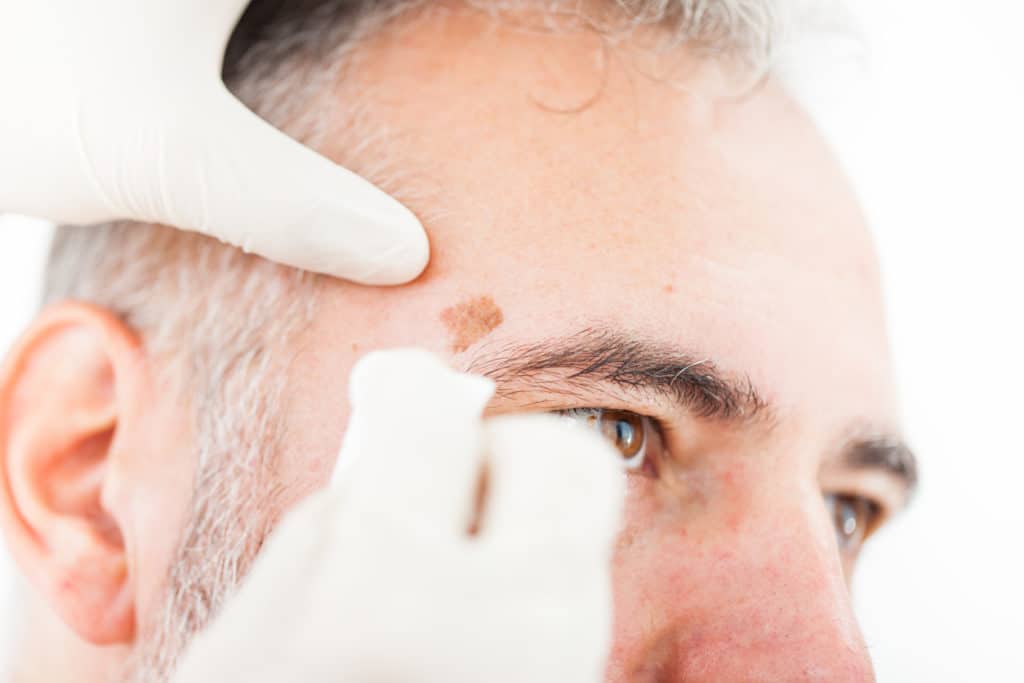
Mohs surgery is a specialized, tissue-sparing procedure used to address certain types of skin cancer. Named after Dr. Frederic Mohs, the technique removes cancerous tissue layer by layer. Surgeons carefully examine each sample using a microscope before starting the next step; this helps them gain a detailed, real-time picture of where cancer cells remain. Here’s information about how the procedure works and where it fits within the broader landscape of skin cancer treatment:
Mapping Cancerous Tissue Precisely
Mohs surgery distinguishes itself through a step-by-step removal process that takes place within a single appointment. A surgeon removes a thin layer of skin from the affected area, and that layer undergoes immediate microscopic examination. If cancer cells appear at the edges, the surgeon targets only the specific spot where those cells were found and removes another layer from that location. This cycle continues until the examined tissue shows no remaining cancer cells. Because lab analysis happens on-site, the process does not require patients to wait several days for outside results. The surgeon works with confirmed data at each stage, which guides every subsequent removal with precision rather than estimation.
Preserving Surrounding Healthy Skin
A key feature of Mohs surgery is its tissue-sparing approach, which is valuable in areas where skin preservation affects both function and appearance. Surgeons may use this technique when available skin is limited or cosmetic outcomes matter. Examples of these areas include:
- The face, including the nose, eyelids, and ears
- The scalp and areas near the hairline
- The hands, fingers, and feet
- Regions near joints or other functionally sensitive areas
By targeting only confirmed cancerous tissue, Mohs surgery helps maintain the structure and integrity of surrounding skin in these locations.
Reviewing Reported Outcomes
When used in suitable cases, this surgery has a notable success rate of approximately 99%. It can be highly effective for basal cell carcinoma and squamous cell carcinoma; it is also used to treat certain melanomas. The layer-by-layer examination process plays a fundamental role in these results. Because the surgeon confirms clear margins before concluding the procedure, the outcomes trend favorably for appropriate candidates.
Mohs surgery also applies to tumors that have returned after previous treatment, as well as to cancers with borders that are difficult to define through other methods. A qualified dermatologic surgeon evaluates each case individually. They weigh factors such as tumor type, size, and location; this helps them determine whether this surgical approach fits the situation.
Learn More About Mohs Surgery
For a precise, methodical approach to treating certain skin cancers, surgeons can use Mohs surgery. The layer-by-layer process allows them to map cancerous tissue in real time, while its targeted removal helps preserve healthy skin in key areas. This option is effective for various cases, and it can apply to both primary tumors and recurrent cancers. A qualified professional is able to assess your specific circumstances and help you determine whether this surgery aligns with your needs. If you are exploring treatment options for skin cancer, speak with a board-certified dermatologic surgeon today.
