


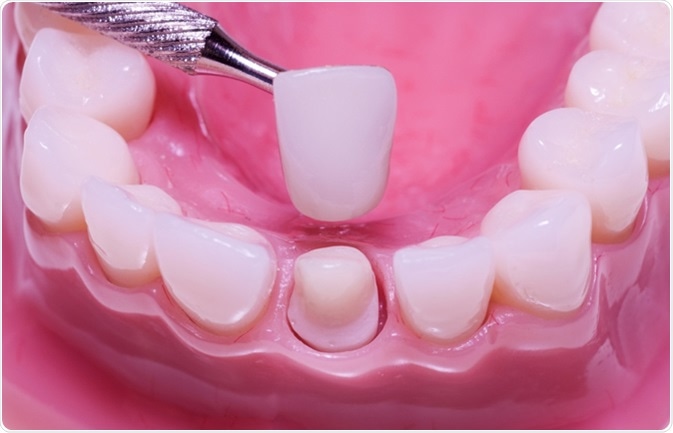
A dental crown is a cap that covers a damaged tooth, and it restores the tooth’s shape and function. Your dentist might suggest dental crowns after a large filling, a root canal, or a fracture. If you know the steps ahead of time, you feel more at ease in the chair. This is how each part of the process takes place in plain terms:
Injected Anesthetic
Your appointment for dental crowns starts with numbing, so the area around the tooth stays comfortable. The dentist injects a local anesthetic near the tooth. Since the medicine blocks pain signals, you feel pressure but not sharp discomfort during the work.
The numbing takes a few minutes to set in. If you have any complications, tell your team, and they will adjust the pace for you. Your dentist tests the area first, and then treatment begins once you feel nothing.
Removed Natural Tooth Portion
The dentist reshapes the tooth, and this gives them enough room for the crown. A small amount of enamel comes off the outer surface. When decay is present, the dentist clears that away, and the tooth gets a clean base for the cap.
The shaping matters for a snug fit. If too little is removed, the crown feels bulky, and if too much is removed, the tooth loses support. Your dentist balances both with care during this step, and they make adjustments.
This process is precise and makes sure the crown fits comfortably and securely once placed. Tooth preparation may feel unusual but is completed quickly and with minimal discomfort. While the process might sound intricate, your dentist will walk you through each step, making sure you stay informed.
Digital Impression
Once the tooth is shaped, your dentist takes a digital impression. A small handheld scanner captures the tooth in detail. The scanner uses images instead of putty, and you skip the trays that older methods needed. Your dentist reviews the model and checks for gaps, and they typically can send it off in minutes. If anything looks off, they rescan the area right away. Here is what the digital scan captures:
- The shape of the prepared tooth
- The area where the upper and lower teeth meet
- The gaps between neighboring teeth
- The gum line around the tooth
Temporary and Permanent Crown Placement
While the lab builds your crown, you wear a temporary one. The dentist fits this cap to protect the tooth, and it holds the space until the permanent crown arrives. You avoid sticky foods on that side during this stretch.
The lab typically returns the final crown within weeks. When your permanent crown is ready, you return for a second visit. The dentist removes the temporary cap, checks the new crown, and bonds it with dental cement. A few things happen at the final fitting:
- Final color check for your teeth
- Quick bite down to test the fit
- Small adjustments smooth any high spots
- Final cemented crown
Get Dental Crowns Near You
Getting a crown takes two visits, and each step has a clear purpose. Knowing the sequence helps you plan your time and prepare your questions. If you have a cracked, worn, or treated tooth, a crown might be the next step. Book your appointment online today, and bring any questions about your treatment or coverage.
