


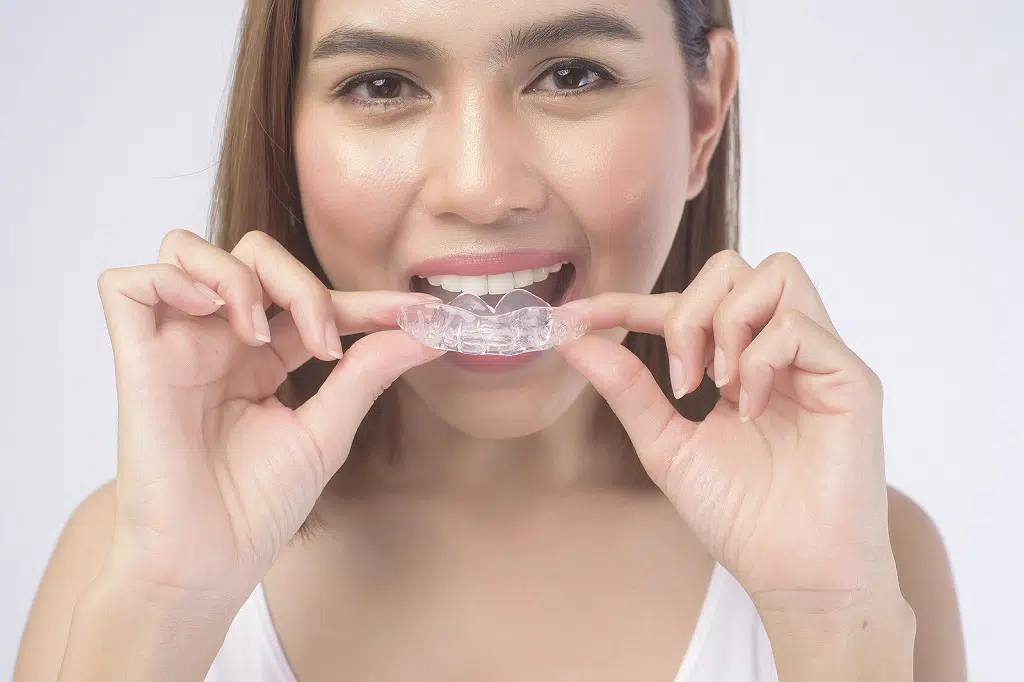
Invisalign is a clear aligner system that gradually corrects misaligned teeth and bite problems. It provides a discreet and removable alternative to traditional braces while supporting improved dental function and appearance. Here is a closer look at the role of Invisalign in adult orthodontics:
Orthodontic Needs
The first step is an assessment that helps determine whether Invisalign fits your situation. A provider examines your teeth, reviews your bite, and takes digital scans to map your current alignment. This evaluation is a key part of planning, and it gives the provider a clear starting point for treatment.
During this stage, the provider discusses your goals and reviews any past dental work. You may ask questions about the timeline, and the provider explains how many aligners your case requires. A thorough assessment helps you set realistic expectations before treatment begins. Treatment plans vary from one person to another. Some patients require minor adjustments that take a few months, while others require longer plans that span more than a year.
Common Alignment Issues
Invisalign addresses a range of alignment concerns that adults and teenagers commonly face. Here are some common issues that aligners can improve:
- Crowding: Aligners gradually create room for teeth that overlap or twist due to limited space.
- Spacing: The trays shift teeth closer together to reduce gaps between teeth that appear across the smile.
- Overbite: Aligners work to move the upper front teeth that extend too far over the lower teeth.
- Underbite: Treatment may help reposition the lower teeth that sit in front of the upper teeth.
- Crossbite: Some upper teeth close inside the lower teeth, and aligners guide these teeth outward to correct the pattern.
Not every case is suitable for Invisalign; a provider confirms suitability during the assessment.
Comfortable and Convenient Treatment
Invisalign aligners are smooth and removable, which sets them apart from fixed appliances. You take them out to eat, brush, and floss, so your daily routine stays largely unchanged. This flexibility removes the food restrictions that come with metal braces. The trays fit snugly against your teeth, and you wear each set for the recommended hours, then switch to the next set as your treatment progresses. This gradual approach keeps pressure steady, and it helps the process move forward on schedule.
Long-term Maintenance
Finishing your aligner series marks a milestone, but the work continues after that point. Long-term results depend on consistent habits, and a few practices can help protect your new alignment. Here are some key parts of this stage.
Wear Retainers as Directed
Retainers hold your teeth in their corrected position after treatment ends. Teeth can shift over time, so wearing a retainer is a helpful step in preserving results. Your provider tells you how often to wear it, and following that guidance supports lasting alignment.
Keep up With Dental Care
Daily brushing and flossing protect both your teeth and your alignment. Regular checkups let your provider monitor any changes, and early attention helps you address concerns quickly. Good habits pair well with retainer use, and together they support the outcome you worked toward.
Schedule Your Invisalign Appointment
Invisalign offers adults and teenagers a discreet way to correct alignment with clear and removable trays. The process begins with an assessment, moves through targeted correction of dental issues, and ends with steps that maintain your results. Contact a reputable dental practice near you to schedule your Invisalign appointment today.
