


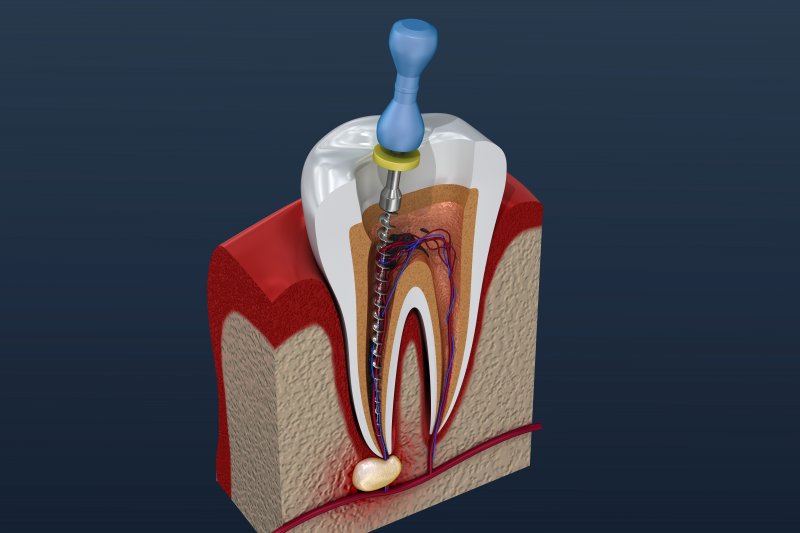
A root canal is a dental procedure that removes infected pulp from inside a tooth, and it is performed to relieve pain and prevent extraction. It addresses infection at its source. Signs a patient may need one include persistent toothache, sensitivity to heat or cold, swollen gums, and tooth discoloration, all of which a dentist will evaluate to confirm a diagnosis and recommend treatment. Here is more information on root canals:
What Is a Root Canal?
A root canal is a dental procedure designed to treat infection or damage deep within a tooth. The procedure targets the pulp, which is the soft tissue inside the tooth that contains nerves and blood vessels. Left untreated, an infected pulp can lead to abscess formation, and it sometimes causes tooth loss.
How Does It Work?
During the procedure, a dentist removes the infected pulp from the tooth’s interior, and the tooth is cleaned and shaped. A material called gutta-percha seals the tooth. This prevents reinfection and restores the tooth’s structural integrity, which is why a crown is typically placed over the tooth afterward to restore its function and appearance.
Local anesthesia may be administered before the procedure begins, which numbs the area to minimize discomfort. Root canals are typically completed in two appointments, but the duration depends on the extent of the infection. Patients can expect mild soreness for a few days following treatment. This usually subsides without additional intervention.
What Signs Necessitate Dental Intervention?
Several symptoms indicate that the pulp inside a tooth has become infected or damaged. Not every symptom guarantees a root canal is needed, but they warrant a prompt dental evaluation.
- Persistent toothache: Pain that lingers or worsens, particularly when chewing or applying pressure, often signals pulp damage.
- Prolonged sensitivity: A sharp reaction to hot or cold temperatures that doesn’t subside after the stimulus is removed can indicate nerve involvement.
- Swollen or tender gums: Inflammation near a specific tooth may point to an underlying abscess.
- Tooth discoloration: A tooth that turns gray or dark may signal that the pulp tissue inside has died.
These symptoms don’t always appear together. In some cases, an infected tooth may cause no pain, which is why routine dental X-rays are helpful.
How Is Professional Guidance Beneficial?
A dentist uses clinical exams and imaging to determine whether a root canal is the appropriate course of treatment. X-rays reveal the extent of infection and bone changes around the root, and they can also identify structural damage that isn’t visible to the naked eye. This diagnostic process allows for a targeted, accurate treatment plan, which addresses the full scope of the problem.
Attempting to manage symptoms at home may offer temporary relief, but it does not address the underlying infection. Without professional treatment, the infection can spread to surrounding teeth, gums, and jawbone, which has the potential to result in more complex interventions. Professional guidance helps resolve the problem at its source rather than simply masking the discomfort.
Consult a Dentist Today
Root canal treatment is a reliable procedure for addressing infected or damaged teeth. Persistent pain, temperature sensitivity, gum swelling, and tooth discoloration are all signs that a dental evaluation is warranted, and the sooner the problem is assessed, the more treatment options may be available. If you think you need this procedure, schedule an appointment with a dentist.
