


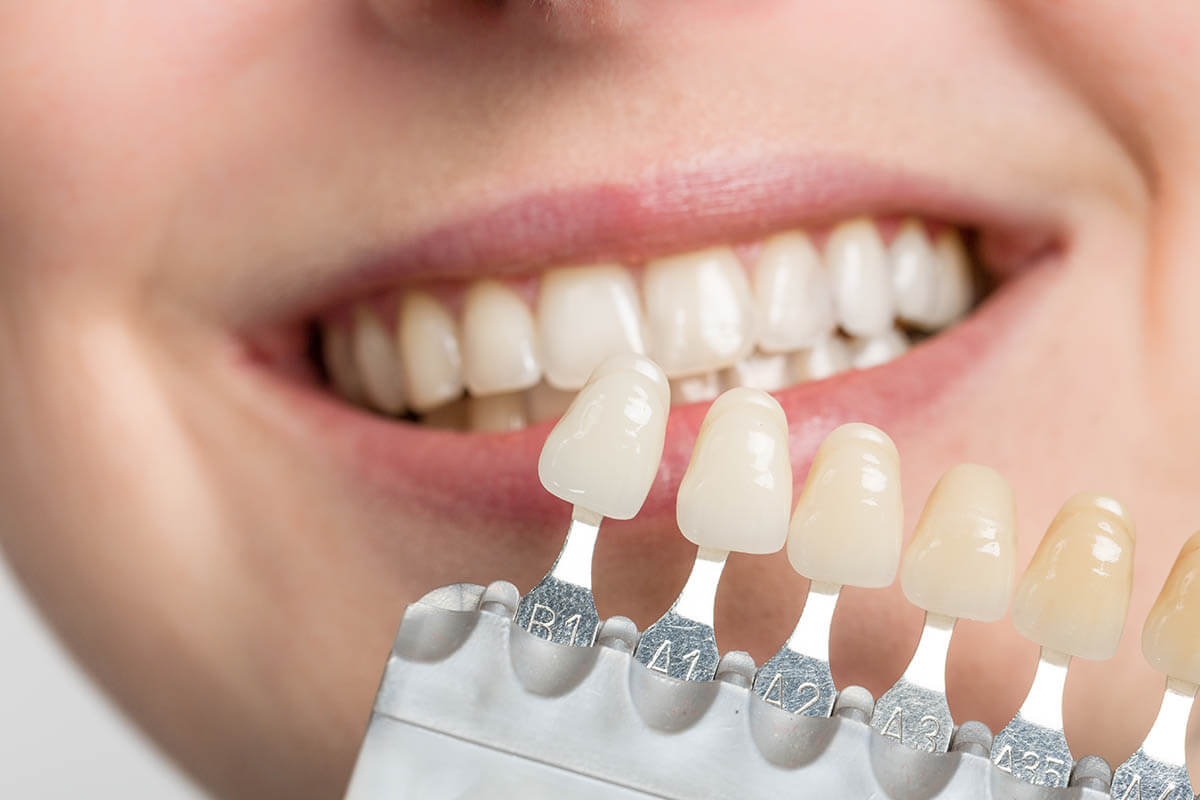
Veneers are custom coverings placed on the front of teeth to improve their appearance. They can address discolored, chipped, gapped, uneven, or irregularly shaped teeth. Here’s more information on the process of getting veneers:
Discussing Your Goals
The process begins with a consultation. You’ll meet with a dentist to describe what you want to change, whether that involves color, spacing, or shape. The dentist will examine your teeth, review your goals, and explain whether veneers suit your situation.
During this visit, you and the dentist will map out a plan that matches your expectations. The following points often come up when you discuss your smile goals:
- Shade selection: You’ll pick a color that looks natural next to your other teeth.
- Shape and size: The dentist explains how each veneer will fit your mouth and facial features.
- Number of veneers: Some people cover a single tooth, while others treat several at once.
Preparing Your Teeth
Preparation readies each tooth to receive its veneer. The dentist removes a small amount of enamel from the front surface, which creates room for the shell to sit flush. This step supports a natural fit, and it prevents the veneer from looking bulky.
After trimming the enamel, the dentist takes an impression of your teeth. They send this mold to a lab, where technicians craft your custom veneers to match the agreed shade and shape. You may receive temporary veneers while you wait; these protect the prepared teeth until the permanent set arrives. The waiting period usually lasts a few weeks, though timing varies by clinic.
Fitting and Placing Veneers
Once your custom veneers return from the lab, you will attend a placement appointment. The dentist first removes any temporary ones, then checks the fit and color of the permanent ones. Minor adjustments may happen at this stage, and this fine-tuning helps the veneers align with your bite.
When the fit looks right, the dentist bonds each veneer to its tooth. A special cement holds the shell in place, and a curing light quickly hardens the bond. The dentist then cleans away excess material and polishes the surface for a smooth finish. Before you leave, they will review how your bite feels and make final tweaks if needed.
Caring for Your Veneers
Good habits keep your veneers looking their best over time. Daily brushing and flossing protect them and the teeth underneath, and regular dental visits support long-term results. Certain habits can shorten their lifespan, so a few adjustments help. Keep the following practices in mind as part of your routine:
- Avoid biting hard objects: Chewing ice or pens can chip the surface.
- Limit staining substances: Coffee, tea, and red wine may affect the appearance over time.
- Wear a mouthguard: If you grind your teeth at night, a guard reduces pressure on the veneer.
Schedule Your Veneers Appointment Today
Proper care for your dental veneers is key to maintaining their appearance and longevity. Thorough oral hygiene, protection against potential damage, and limited exposure to staining substances can help your veneers stay in optimal condition. Contact a qualified dentist near you to schedule your veneers appointment today.
