

Subscribe to Updates

    Get the latest creative news from FooBar about art, design and business.

    What's Hot

    The Importance of Choosing a Qualified Dentist for Complex Procedures

    August 19, 2026

    The Hidden Struggles of Depression

    August 19, 2026

    The Connection Between Gastric Sleeve and Improved Metabolism

    August 19, 2026
    Facebook Twitter Instagram
    • Privacy Policy
    • About Us
    • Get In Touch
    Monday, August 24
    Facebook Twitter Instagram
    highbluffblog.com
    • Home
    • Business
    • Cardiology
    • Dentistry
    • Dermatology
    • Gynecology
    • Health
    • Lifestyle
    highbluffblog.com
    Home»Eye Health»Recognizing Early Warning Signs of Retinal Detachment
    Eye Health

    Recognizing Early Warning Signs of Retinal Detachment

    highbluffblog.comBy highbluffblog.comAugust 19, 2026No Comments3 Mins Read
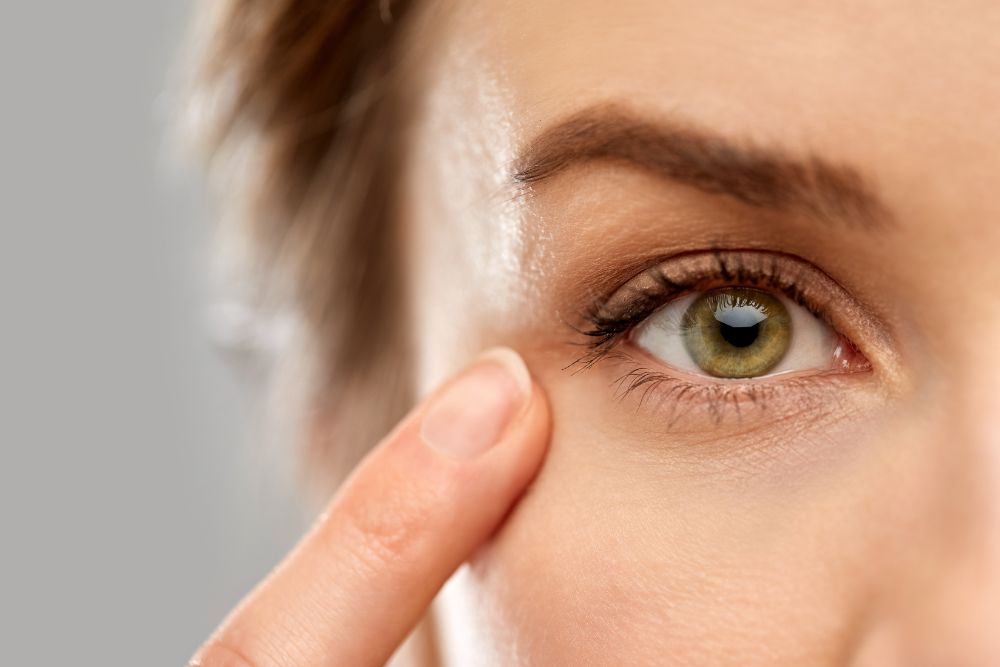
    Signs of Retinal Detachment
    xr:d:DAFnHjC_ifw:6,j:8995209213560040368,t:23062814
    Share
    Facebook Twitter Reddit Telegram Pinterest Email

    Retinal detachment is a serious and sometimes sudden eye condition that requires prompt attention. The retina is a thin layer of tissue at the back of your eye that senses light and sends visual messages to your brain. When the retina pulls away from its usual position, it can no longer function properly, and this can lead to permanent vision loss if not addressed promptly. Here are some of the early warning signs of retinal detachment: 

    Darkening Vision

    An early and noticeable sign of retinal detachment is a sudden change or darkening in your vision. You might notice what appears to be a dark shadow or veil entering your field of vision from one side. Shadows may start in your peripheral vision and spread toward the center, as though a shade is covering your eye. In other cases, vision loss occurs quickly and may take up a large area. The darkness does not go away with blinking or changes in lighting; this vision loss occurs because the retina cannot process light from the area that has detached, leading to a blind spot at the location of the detachment. 

    Seeing Floaters

    Floaters are another common warning sign. Small shapes seem to drift through your field of vision, looking like specks, spots, or cobwebs. Floaters are typically visible when you are looking at a uniform, light-colored background, such as a white wall or a computer screen. 

    Many adults notice a few floaters over their lifetime, and these often remain stable. With retinal detachment, a sudden increase in the number or size of floaters is significant. You might notice dozens of tiny dots that were not there before, appearing as a sudden shower of black or gray flecks, and may be accompanied by the appearance of a “cloud.”

    New floaters often arise when the vitreous gel inside the eye contracts or shifts, tugging on the retina and creating small tears or openings. Sometimes, floaters are accompanied by strands that move as your eye moves, and they do not go away over time. While not every floater is a concern, a rapid or sudden increase deserves attention.

    Flashes of Light

    Another warning sign to look for is flashes of light, known medically as photopsia. These flashes might resemble lightning strikes, flickers, or camera flashes, and often appear at the edges of your vision. They may be brief or recur intermittently, and their intensity ranges from subtle glimmers to startling bursts.

    You might notice these flashes when moving your eyes quickly or in a dark environment, which can make them easier to spot. As the vitreous gel shifts, it may pull on the retina, which responds by sending signals to the brain that are interpreted as light, even when none is present. Some people describe the experience as seeing “sparkles” or “twinkling lights.”

    Learn More About Retinal Detachment

    Retinal detachment symptoms often appear quickly and require a timely response. A persistent shadow, sudden burst of floaters, or new flashes of light provide early signals that eye care is needed. An ophthalmologist has the experience and tools to diagnose the underlying cause and provide guidance on next steps. Schedule a comprehensive evaluation with a specialist if any of these symptoms develop.

    Share. Facebook Twitter Pinterest LinkedIn Telegram Reddit Email
    Previous ArticleQuestions To Ask Your Provider About Invisalign
    Next Article Recognizing Symptoms of Psoriatic Arthritis and Seeking Effective Treatment
    highbluffblog.com
    • Website

    Related Posts

    Understanding the Benefits of Visiting an Ophthalmologist

    August 11, 2026

    Best Home Workout Programs (2021) Top At-Home Fitness Plans

    January 15, 2021

    The 10 Best Online Workout Programs for Every Body

    January 15, 2021

    What is Progressive Overload? | Progressive Overload Training

    January 15, 2021

    How the Dead-Stop Push-Up Can Add Muscle

    January 14, 2021

    Build Muscle and Strength with The Fierce 5 Workout Program

    January 14, 2021
    Add A Comment

    Leave A Reply Cancel Reply

    Demo
    Stay In Touch
    • Facebook
    • Twitter
    • Pinterest
    • Instagram
    • YouTube
    • Vimeo
    Don't Miss

    The Importance of Choosing a Qualified Dentist for Complex Procedures

    By highbluffblog.comAugust 19, 2026

    Complex dental procedures require precision, experience, and a deep understanding of modern dentistry to guarantee…

    The Hidden Struggles of Depression

    August 19, 2026

    The Connection Between Gastric Sleeve and Improved Metabolism

    August 19, 2026

    Knowing When You Should Be Treated for Fibromyalgia

    August 19, 2026

    Subscribe to Updates

    Get the latest creative news from SmartMag about art & design.

    About Us
    About Us

    Your source for the lifestyle news. This demo is crafted specifically to exhibit the use of the theme as a lifestyle site. Visit our main page for more demos.

    We're accepting new partnerships right now.

    Email Us: info@example.com
    Contact: +1-320-0123-451

    Our Picks

    Knowing When You Should Be Treated for Fibromyalgia

    August 19, 2026

    The Connection Between Psychiatry and Emotional Well-being

    August 19, 2026

    The Connection Between Periodontics and Systemic Health Issues

    August 19, 2026
    New Comments
      Facebook Twitter Instagram Pinterest
      • Privacy Policy
      • About Us
      • Get In Touch
      © 2026 HighBluffBlog. Designed by highbluffblog.com.

      Type above and press Enter to search. Press Esc to cancel.