


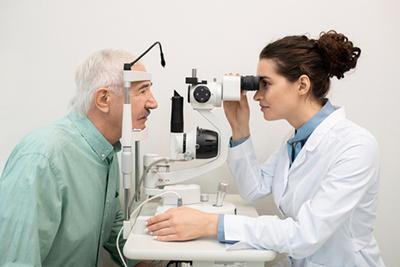
Eye health is an integral aspect of one’s overall well-being. An ophthalmologist is a medical doctor, and they specialize in the diagnosis, treatment, and surgical care of the eyes. These specialists handle everything from routine vision checks to complex procedures, making them a central resource for protecting sight over the long term.
What Do Ophthalmologists Address?
An ophthalmologist manages a wide variety of eye conditions, and these can range from common irritations to diseases that develop gradually over time. Understanding these conditions may help you recognize when a visit is beneficial. There are many issues that an eye specialist can address, including:
- Cataracts occur when the natural lens of the eye becomes cloudy, which affects the clarity of vision.
- Glaucoma is linked to pressure inside the eye and may affect the optic nerve if left unmanaged.
- Changes in the central part of the retina, the macula, can appear with age.
- Floaters are the small specks or shapes that drift across your field of view.
- Retinopathy can develop when high blood sugar affects the blood vessels in the retina.
- Thyroid eye disease may affect the tissue around the eyes.
Because several of these conditions progress quietly, an ophthalmologist plays a central role in identifying them before symptoms become noticeable.
What Services Do They Provide?
Ophthalmologists offer both diagnostic and surgical services. The foundation of their work is the comprehensive eye exam; this brings together a series of assessments to evaluate how well your eyes function and to screen for disease. A thorough exam may utilize some common practices, including:
- Visual Acuity Testing: Measures how clearly you see at a distance using a standard chart.
- Corrective Lens Prescriptions: Determined by viewing lenses through a device that helps identify the right prescription for glasses or contacts.
- Observed Pupil Response: Checked by monitoring how the pupils react to light.
- Ocular Motility Testing: Confirms that the eyes are aligned and the muscles are working together.
- Intraocular Pressure Measurement: Records the pressure inside the eye.
Beyond diagnostic services, ophthalmologists can perform several surgical procedures. Cataract surgery replaces a clouded lens with a clear artificial one. Eyelid surgery addresses concerns involving the eyelids, and it may be utilized whether the reason is function- or appearance-related. Each procedure is tailored to the individual and the condition being treated.
What Are the Benefits?
Routine eye exams give a specialist the chance to observe subtle changes over time, and this allows them to detect conditions in their earliest stages. Regular care supports several goals. Scheduled visits allow for the early detection of conditions that often develop without obvious symptoms, while also enabling ongoing monitoring of eye pressure, retinal health, and vision quality.
Each appointment builds a record of change that helps a specialist compare results from one visit to the next; they can provide timely guidance on how to care for your eyes based on your health history. Many eye conditions share few early warning signs, making scheduled visits the first opportunity to catch a developing issue. Consistent care allows you to stay informed about your eye health rather than waiting for a problem to arise.
Meet With a Specialist
An ophthalmologist can guide you through long-term care, and regular appointments allow them to adapt as your needs change. Booking a comprehensive eye exam is a practical way to stay ahead of common conditions, and it helps to build an understanding of your vision over time. If you have noticed a change in how you see or want a reliable baseline for care going forward, an appointment with an eye specialist can help protect your sight and establish long-term care.
